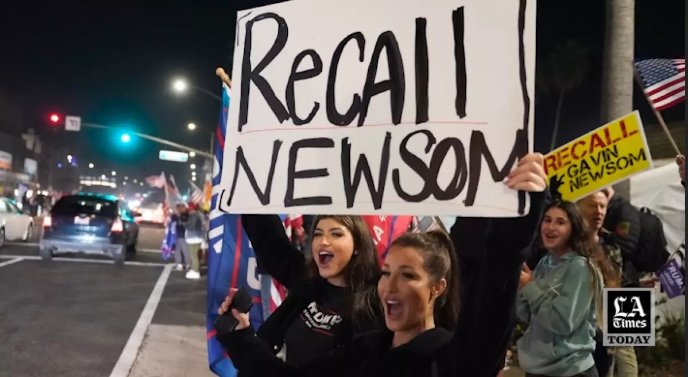
The political landscape of California has always been dynamic, diverse, and deeply influential in shaping America’s future. However, few events have captured national attention quite like the Recall Newsom movement. Centered on Governor Gavin Newsom’s leadership, this political wave became a defining moment in California’s recent history, a test of governance, democracy, and public sentiment. Beyond party lines, the recall represented a larger conversation about leadership accountability, crisis management, and the role of citizens in shaping their government.
The Origins of the Recall Movement
The movement to recall Governor Gavin Newsom began gaining traction in 2020, fueled by growing dissatisfaction over the handling of multiple issues from pandemic restrictions and economic struggles to homelessness and wildfire management. California’s recall process, which allows citizens to remove an elected official before the end of their term, is a rare democratic mechanism designed to hold leaders accountable.
As frustrations mounted during the COVID-19 pandemic, critics accused Newsom of enforcing overly strict lockdowns that hurt small businesses and working-class families. The controversy deepened after Newsom attended a private dinner at a luxury restaurant during lockdowns, an incident that sparked public outrage and symbolized, to many, a double standard in leadership.
What began as scattered criticism soon turned into an organized political campaign. By early 2021, the recall petition had gathered over 1.7 million verified signatures, enough to trigger a statewide recall election.
Understanding the Recall Process
California’s recall system is one of the most open in the United States. To initiate a recall, petitioners must collect signatures from at least 12% of the number of voters who participated in the last gubernatorial election. Once verified, a recall election is scheduled, allowing voters to decide whether to remove the governor and, if so, who should replace them.
In the Recall Newsom case, voters were presented with two questions:
-
Should Gavin Newsom be recalled from the office of governor?
-
If yes, who should replace him?
This structure allowed multiple candidates to compete for the potential vacancy, resulting in a crowded and colorful field of contenders from established politicians to media personalities.
The Campaign Battle: Supporters vs. Opponents
The recall campaign quickly became a heated political battleground. Supporters of the recall framed it as a fight for freedom, economic stability, and government transparency. They argued that Newsom’s pandemic policies were inconsistent and damaging, particularly to small businesses and schools.
On the other hand, opponents saw the recall as a partisan attempt to overturn a fair election. Newsom and his allies portrayed the effort as an attack by extremist groups and wealthy conservatives seeking to disrupt California’s progressive agenda. The Democratic Party, national figures, and labor unions rallied around Newsom, emphasizing his accomplishments in areas like climate action, education, and healthcare expansion.
The campaign drew massive attention across the country, turning into a symbolic referendum on pandemic leadership and state governance.
The Recall Election Outcome
On September 14, 2021, millions of Californians went to the polls for the recall election. Despite the intense campaigns, Gavin Newsom survived the recall decisively, with over 61% of voters rejecting his removal. The result reinforced his political strength and solidified California’s position as a predominantly Democratic state.
The outcome was a setback for recall organizers, but it also demonstrated the power of citizen participation in democracy. Voter turnout exceeded expectations, with high engagement from younger and minority voters who supported Newsom’s policies.
Lessons Learned from the Recall
While Newsom’s victory put an end to the immediate recall threat, it also highlighted deeper issues in California’s political and social fabric. The recall exposed the growing divide between urban and rural communities, between those who favored strict public health policies and those who demanded more individual freedom.
It also sparked debate about the recall system itself, whether it should be reformed to prevent political misuse. Critics argued that the process is too easily triggered and too costly, while defenders viewed it as a vital democratic safeguard that empowers citizens to challenge ineffective governance.
A Broader Political Message
The Recall Newsom episode sent ripples far beyond California. It became a case study in how public sentiment can shift quickly in the age of social media, misinformation, and political polarization. For other U.S. leaders, it served as a reminder of the fragile balance between policy enforcement and public approval.
The movement also reignited national discussions about accountability in leadership. Whether one supported or opposed the recall, the campaign underscored the importance of transparency, consistency, and responsiveness from elected officials — especially in times of crisis.
The Future of California’s Leadership
In the aftermath of the recall, Governor Newsom emerged politically stronger. His administration doubled down on initiatives addressing climate change, affordable housing, and healthcare reform. At the same time, he began to position himself as a prominent voice on the national stage, sparking speculation about his potential future in national politics.
The recall ultimately became more than just a vote on one governor it was a moment of reflection for California’s political identity. It demonstrated both the power and the challenges of direct democracy in a modern society.
Conclusion
The Recall Newsom movement will be remembered as a defining political event in California’s history, not merely for its outcome, but for the debates it ignited about leadership, governance, and civic participation. It highlighted how democracy remains alive and active when citizens take a stand, whether through support or dissent.
While Gavin Newsom survived the recall, the experience reshaped his leadership and reaffirmed the resilience of California’s democratic spirit. As the state continues to lead in innovation, climate action, and social progress, the lessons from this political turning point will continue to influence its future, reminding leaders everywhere that true authority comes not just from elections but from trust, accountability, and service to the people.
FAQs
1 . What was the Recall Newsom movement about?
It was a campaign to remove California Governor Gavin Newsom from office before his term ended.
2 . Why did people want to recall Gavin Newsom?
Critics opposed his handling of COVID-19 restrictions, economic issues, and public policies.
3 . When did the Recall Newsom election take place?
The recall election occurred on September 14, 2021, across California.
4 . What was the outcome of the recall vote?
Gavin Newsom successfully defeated the recall with about 61% of voters supporting him.
5. What impact did the recall have on California politics?
It strengthened Newsom’s leadership and sparked debate about reforming the state’s recall system.