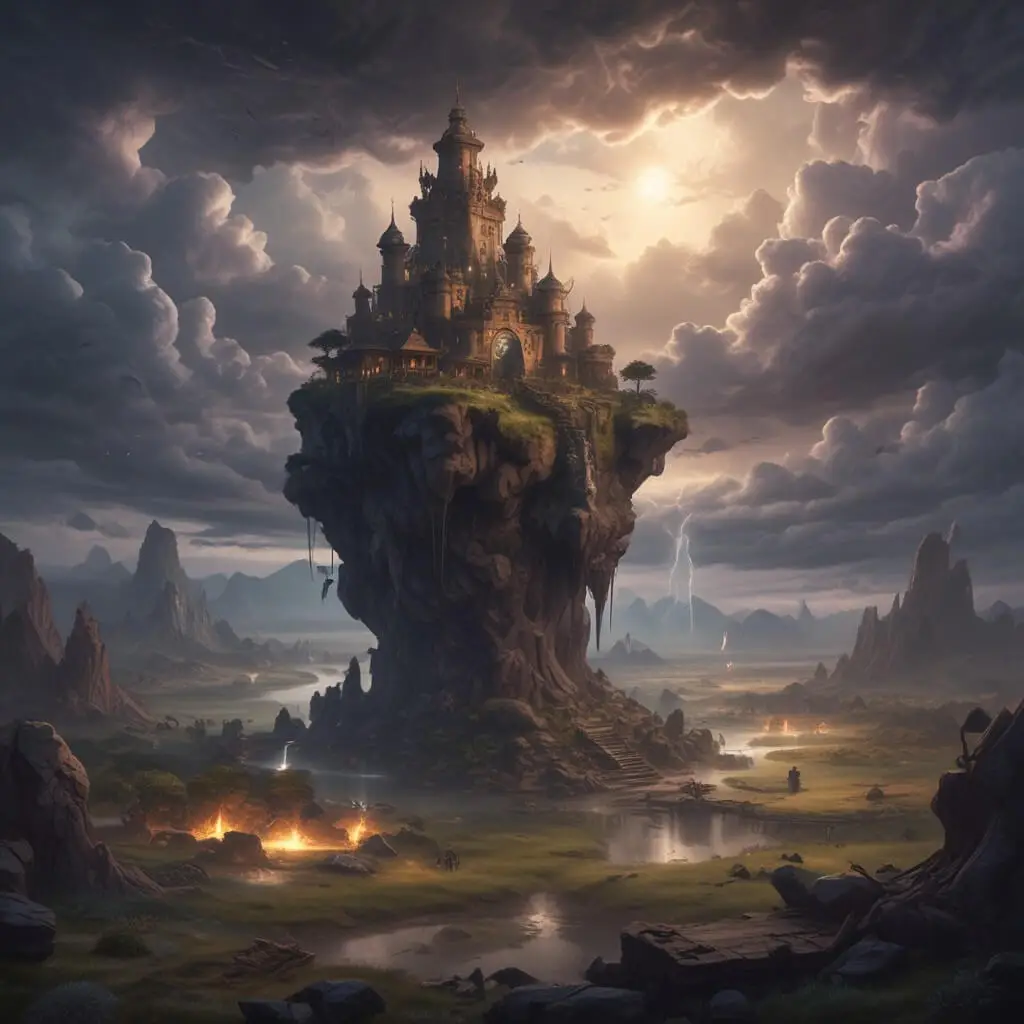
In every fantasy story, a realm name is more than just a label — it’s a gateway to another world. Whether it’s a kingdom ruled by dragons, a land of eternal night, or a hidden sanctuary for heroes, the name of a realm sets the tone for its legends and lore. These names carry emotion, mystery, and depth, inviting readers and players to lose themselves in rich, magical universes.
This article explores the meaning, importance, and examples of realm names and gives tips for creating your own that feel powerful, ancient, and alive.
What Are Realm Names?
A realm name represents an entire world, kingdom, or dimension within a story. In fantasy, mythology, and games, these names define landscapes, cultures, and destinies. From shining empires to cursed wastelands, each realm name gives identity and atmosphere to its setting.
A good realm name makes a world feel real — one that stays in memory long after the story ends.
The Importance of Realm Names in Fantasy Worlds
Realm names aren’t random words. They carry hidden meanings that define the heart of the story. Here’s why they matter:
- World Identity: A name gives the realm personality — it can sound royal, dark, peaceful, or mysterious.
- Emotional Tone: A harsh-sounding name may fit a war-torn land, while a soft one suits a place of peace.
- Cultural Depth: Realm names often draw inspiration from languages, myths, or ancient sounds.
- Memorability: Great names like Middle-earth or Narnia stay with audiences forever.
Without a strong name, even the most detailed world can feel hollow. The right name breathes life into a story.
Famous Realm Names in Fantasy and Myth
Here are some iconic examples that show the power of naming:
1. Middle-earth (The Lord of the Rings)
This legendary realm is a perfect mix of realism and fantasy. The name sounds ancient yet familiar, representing a world between heaven and earth — full of elves, men, and magic.
2. Narnia (The Chronicles of Narnia)
Short, elegant, and easy to remember. Narnia feels mystical and pure, matching its world of talking animals, kings, and timeless adventures.
3. Azeroth (World of Warcraft)
A strong, bold name that suggests might and magic. It sounds vast and ancient, reflecting its diverse landscapes and kingdoms.
4. Elden Ring’s Lands Between
Though more descriptive, this name carries mystery and sadness. It feels like a bridge between reality and myth.
5. Asgard (Norse Mythology)
One of the most recognized names in all mythologies. Meaning “enclosure of the gods,” it captures divine power and celestial beauty.
6. Hyrule (The Legend of Zelda)
Soft yet heroic, Hyrule instantly sounds like a place where legends are born. Its gentle rhythm gives it a mythical, almost musical quality.
7. Westeros (Game of Thrones)
Gritty and grounded, this name fits a realm full of politics, wars, and noble houses. It feels real, as if it could exist in medieval history.
8. Elysium (Greek Mythology)
The land of eternal peace and reward for heroes. The name itself evokes light, heaven, and serenity — an ideal example of meaning and sound working together.
Elements of a Great Realm Name
Creating a strong realm name isn’t about random fantasy words — it’s about emotion, tone, and flow. Here are key elements to consider:
- Sound and Rhythm: Choose syllables that roll smoothly or strike hard, depending on your world’s energy.
- Meaning: The best names hint at the realm’s nature — peace, war, shadow, or divinity.
- Uniqueness: Avoid real-world names or common fantasy clichés.
- Consistency: Match your name with the language or culture of your story.
- Emotion: The name should make readers feel something — awe, fear, or wonder.
Examples of Cool and Unique Realm Names
Here’s a list of original fantasy-style realm names you can draw inspiration from:
- Valoryn – A noble kingdom filled with honor and ancient knights.
- Nytherra – A shadowed land of mist and mystery.
- Solmere – A realm of eternal sunrise and golden seas.
- Dravonar – A fiery world ruled by dragons and chaos.
- Eirathen – A peaceful land guarded by spirits of nature.
- Karethul – The dark empire of fallen kings.
- Lumivale – A magical valley of eternal light.
- Thornreach – A dangerous wild land beyond the mountains.
- Mirethil – A forest realm of elves and hidden legends.
- Skavros – A frozen dominion of ancient warriors.
Each of these names feels alive because it carries emotion, sound, and storytelling potential.
How to Create Your Own Realm Name
If you’re building your own fantasy world, follow these simple steps to craft a memorable name:
- Start with a Core Idea: Think about what your world represents — peace, darkness, fire, or dreams.
- Mix Sounds and Roots: Combine syllables from Latin, Old English, or made-up languages.
- Use Descriptive Meaning: Add hints like “vale,” “reach,” “spire,” or “hollow” to show terrain or mood.
- Keep It Pronounceable: A realm name should sound natural, not overly complex.
- Test the Feel: Say it aloud — does it sound powerful, ancient, or mysterious?
Example: Aetherion – sounds celestial and powerful, perfect for a world in the skies.
Symbolism in Realm Naming
Every great realm name carries symbolism. Elysium speaks of heaven, Mordor whispers doom, and Avalon breathes purity. The symbolism turns simple words into emotions — helping the audience feel connected to your story’s world before reading a single sentence.
Symbolism can come from:
- Nature: Oceans, mountains, forests, deserts.
- Light and Dark: Dawn, dusk, sun, shadow.
- Emotion: Hope, sorrow, wrath, peace.
- Mythology: Gods, heroes, ancient spirits.
By blending these ideas, you can create names that sound timeless.
Conclusion
Realm names form the backbone of every great fantasy universe. They shape imagination, inspire emotion, and define culture within the story. From Narnia to Asgard, the greatest names are those that speak to the heart as well as the mind.
When you create or hear a powerful realm name, it instantly paints a picture — a land waiting to be explored, filled with legends untold. That’s the magic of naming worlds: turning words into wonder.
FAQs
Q1: What makes a good realm name?
A good realm name is easy to pronounce, emotionally powerful, and matches the tone of the story’s world.
Q2: Can realm names come from real languages?
Yes, many are inspired by Latin, Norse, or Celtic roots to give them an ancient and believable sound.
Q3: How do I make my realm name unique?
Blend original syllables, avoid clichés, and focus on meaning that reflects your world’s story.
Q4: Are short or long names better for realms?
Both work — shorter names are easier to remember, while longer ones feel more ancient or grand.
Q5: Why are realm names important in storytelling?
They instantly set the mood and identity, helping readers connect emotionally to your world.