Introduction
In today’s fast-paced, cluttered world, simplicity has become the ultimate sophistication. From architecture and fashion to interior design and digital art, the modern aesthetic embraces the power of minimalism, proving that beauty doesn’t always require excess.
- Introduction
- Understanding the Modern Aesthetic
- The Psychology of Simplicity
- Modern Aesthetic in Architecture and Interior Design
- 1. Open-Concept Spaces
- 2. Clean Lines and Geometry
- 3. Neutral Palettes
- 4. Functional Furniture
- 5. Sustainability
- Modern Aesthetic in Fashion and Product Design
- The Digital Expression of Modern Aesthetic
- Simplicity as a Sustainable Choice
- Why the Modern Aesthetic Appeals to the Modern Mind
- Challenges of Simplicity in Design
- Conclusion
- FAQs About Modern Aesthetic Design
The art of simplicity is more than just a design choice; it’s a philosophy that values clarity, balance, and purpose. By removing what’s unnecessary, contemporary design allows what truly matters to shine. This concept has redefined creativity in the 21st century, giving rise to a clean, functional, and emotionally engaging visual language.
Understanding the Modern Aesthetic
The modern aesthetic is rooted in the belief that design should be simple, functional, and meaningful. It prioritizes clean lines, open spaces, and a sense of harmony. Every element has a purpose, and nothing is added without reason.
This approach draws inspiration from early 20th-century design movements such as Bauhaus, De Stijl, and Minimalism, all of which emphasized the connection between form and function. In modern design, less truly becomes more.
Key Characteristics of the Modern Aesthetic
- Minimalism: Eliminating clutter and focusing on essentials.
- Neutral Colors: Soft tones like white, gray, and beige create calm and balance.
- Natural Materials: Wood, stone, and metal evoke authenticity and texture.
- Functional Design: Every element serves a clear purpose.
- Open Spaces: A sense of airiness and freedom, avoiding visual overload.
This simplicity does not mean emptiness; it’s about creating intentional beauty that feels effortless yet profound.
The Psychology of Simplicity
Simplicity in design isn’t just visual, it’s psychological. Humans naturally crave order and clarity. Clutter and chaos overwhelm the mind, while simplicity calms it.
Modern design creates visual peace. Clean lines, balanced proportions, and muted tones help reduce stress and encourage focus. Whether in a home, office, or digital interface, the modern aesthetic promotes mental well being by making spaces feel open and breathable.
In essence, simplicity isn’t about having less,s it’s about making room for more meaning.
Modern Aesthetic in Architecture and Interior Design
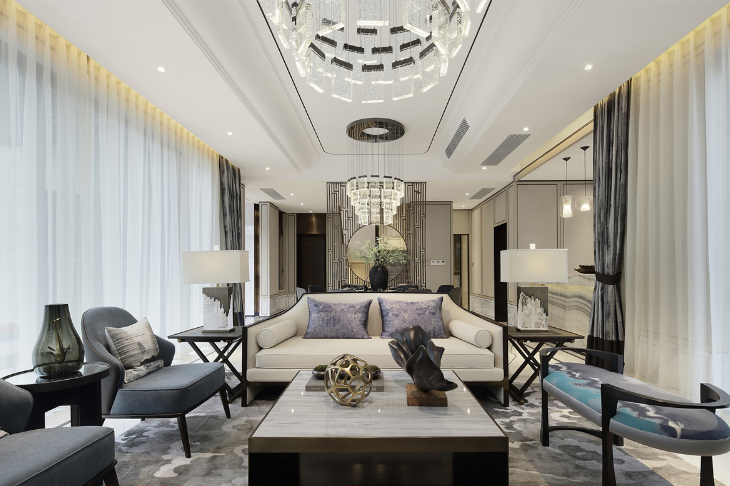
Architecture and interior design are where the modern aesthetic shines most clearly.
1. Open-Concept Spaces
Walls are minimized to create flow and openness. Natural light becomes a design feature, enhancing warmth and connection to nature.
2. Clean Lines and Geometry
Straight edges, geometric shapes, and symmetry create structure and clarity.
3. Neutral Palettes
Soft whites, grays, and earth tones provide calmness while allowing textures and materials to stand out.
4. Functional Furniture
Every item serves a purpose; furniture often doubles as storage or modular pieces.
5. Sustainability
Contemporary designers value eco-friendly materials and energy-efficient layouts, aligning simplicity with responsibility.
Homes designed with this aesthetic feel spacious, balanced, and timeless places where life can unfold naturally without distraction.
Modern Aesthetic in Fashion and Product Design
In fashion, simplicity has become a symbol of confidence and refinement. Designers like Calvin Klein, The Row, and Jil Sander have proven that minimalism can be both bold and elegant.
- Clean silhouettes replace excessive ornamentation.
- High-quality fabrics and precise tailoring take center stage.
- Monochrome palettes create a versatile, effortless style.
Similarly, in product design, from smartphones to furniture brands like Apple and Muji have mastered the art of simplicity. Their designs are intuitive, functional, and aesthetically pure, demonstrating that simplicity enhances usability and emotional connection.
The Digital Expression of Modern Aesthetic
In the digital world, the modern aesthetic has revolutionized web and app design.
- Minimalist interfaces improve user experience by reducing clutter.
- Flat and material design emphasize clarity and hierarchy.
- Whitespace (space) helps guide attention and create visual calm.
- Typography becomes a key design element, clean, readable, and bold.
Think of brands like Google, Airbnb, or Apple; their visual design reflects simplicity, trust, and functionality. The result is digital elegance that’s easy to navigate and pleasant to the eye.
Simplicity as a Sustainable Choice
Simplicity aligns naturally with sustainability. Modern designers understand that the world doesn’t need more; it needs better. By focusing on quality, timeless design, and reduced waste, the modern aesthetic supports eco-conscious living.
In architecture, this means smaller footprints and energy-efficient materials. In fashion, it’s about buying less but better. And in product design, it’s creating objects that last and don’t require constant replacement.
Simplicity, therefore, becomes an ethical decision as much as an artistic one.
Why the Modern Aesthetic Appeals to the Modern Mind
The appeal of simplicity lies in its universality. Regardless of culture or background, humans appreciate order, symmetry, and clarity. In a world full of information overload, modern aesthetics offer mental relief and visual purity.
Challenges of Simplicity in Design
While simplicity may look effortless, it’s incredibly hard to achieve.
Designers must balance minimalism with warmth; too much simplicity can feel cold or lifeless. The challenge lies in creating depth within restraint.
Every decision from color tone to line spacing, matters. The smallest details make the biggest impact. In this way, the art of simplicity is actually the art of precision.
Conclusion
“Modern Aesthetic: The Art of Simplicity in Contemporary Design” celebrates a design philosophy that transcends trends. It’s about intentional beauty, removing the unnecessary to let meaning, form, and emotion emerge.
From homes and products to digital spaces, the modern aesthetic teaches us that true elegance comes from clarity, not complexity.
Simplicity is not a lack of design; it’s the essence of design. In a world that never stops moving, modern design reminds us to pause, breathe, and appreciate the quiet strength of simplicity.
FAQs About Modern Aesthetic Design
1. What defines a modern aesthetic?
The modern aesthetic emphasizes simplicity, functionality, and clarity. It avoids clutter and focuses on clean lines, neutral colors, and purposeful design.
2. How is modern design different from minimalism?
Minimalism focuses on extreme reduction, while modern design balances simplicity with comfort, texture, and warmth.
3. Why is simplicity so important in contemporary design?
Simplicity creates clarity and emotional calm, helping people focus on what truly matters without distraction.
4. Can modern design still feel cozy and personal?
Yes! By using natural materials, warm lighting, and personal touches, modern design can feel both elegant and inviting.
5. How can I incorporate modern aesthetics into my home?
Start by decluttering, using neutral tones, choosing quality over quantity, and focusing on functional yet beautiful furniture.