Introduction
In a world overflowing with trends, advertisements, and fast fashion, the concept of minimalism in clothing has emerged as a breath of fresh air. A minimalist wardrobe is not about having less; it’s about having what truly matters. It focuses on quality over quantity, intentionality over impulse, and style over excess.
- Introduction
- What Is a Minimalist Wardrobe?
- The Philosophy Behind Minimalist Fashion
- Benefits of a Minimalist Wardrobe
- 1. Saves Time and Reduces Decision Fatigue
- 2. Enhances Personal Style
- 3. Promotes Sustainability
- 4. Saves Money
- 5. Creates Emotional Balance
- How to Build a Minimalist Wardrobe
- Step 1: Define Your Personal Style
- Step 2: Declutter Your Closet
- Step 3: Choose a Neutral Color Palette
- Step 4: Focus on Quality, Not Quantity
- Step 5: Maintain and Update Mindfully
- Essential Pieces for a Minimalist Wardrobe
- Minimalism Beyond Clothing
- Minimalist Wardrobe for Different Lifestyles
- The Emotional Side of Minimalist Fashion
Building a minimalist wardrobe isn’t just a fashion choice; it’s a lifestyle transformation that encourages mindfulness, organization, and confidence. By simplifying your wardrobe, you simplify your life. This approach allows you to make thoughtful fashion decisions, save money, and express your personal style with clarity.
What Is a Minimalist Wardrobe?
A minimalist wardrobe is a curated collection of versatile, high-quality clothing that aligns with your personal style and needs. The focus isn’t on how many pieces you own but on how well each piece serves you.
Typically, a minimalist wardrobe consists of neutral colors, timeless silhouettes, and mix-and-match essentials that can be worn in multiple ways. The goal is to reduce clutter, avoid unnecessary purchases, and create a seamless dressing experience.
For example:
-
Instead of owning 20 different shirts, you might own 5 shirts that you truly love and wear often.
-
Rather than buying cheap, trendy items, you invest in well-made pieces that last for years.
The Philosophy Behind Minimalist Fashion
Minimalism in fashion is about intentional living. It challenges the “more is better” mindset that dominates consumer culture. The minimalist wardrobe philosophy encourages you to:
-
Buy less but better.
-
Choose timeless over trendy.
-
Focus on comfort and quality.
-
Express your individuality through simplicity.
This movement aligns closely with the slow fashion movement, which promotes ethical production, sustainability, and mindful consumption. Minimalist fashion is not about deprivation; it’s about freedom from clutter and excess.
Benefits of a Minimalist Wardrobe
1. Saves Time and Reduces Decision Fatigue
When your wardrobe is streamlined, choosing an outfit becomes effortless. You no longer waste time searching for matching clothes or deciding what to wear. A minimalist wardrobe provides clarity and peace of mind every morning.
2. Enhances Personal Style
Owning fewer clothes doesn’t limit your creativity; it enhances it. With a carefully selected wardrobe, your personal style becomes more refined and consistent. You begin to develop a signature look that reflects your personality.
3. Promotes Sustainability
Fast fashion contributes to pollution, labor exploitation, and waste. A minimalist wardrobe reduces your environmental footprint by promoting sustainable consumption and ethical purchasing habits.
4. Saves Money
Investing in quality items might seem expensive at first, but over time, it saves money. Durable clothing lasts longer, and when you stop buying unnecessary pieces, your overall spending decreases.
5. Creates Emotional Balance
Cluttered spaces often create mental stress. A minimalist wardrobe helps you feel more organized, calm, and confident. Your environment becomes cleaner, and your mindset follows.
How to Build a Minimalist Wardrobe
Creating a minimalist wardrobe doesn’t happen overnight. It’s a gradual process of decluttering, defining your style, and making intentional choices.
Step 1: Define Your Personal Style
Before you start removing items, understand your aesthetic. Are you drawn to casual, classic, or modern styles? Look for recurring patterns in your favorite outfits and identify the colors and fits that make you feel confident.
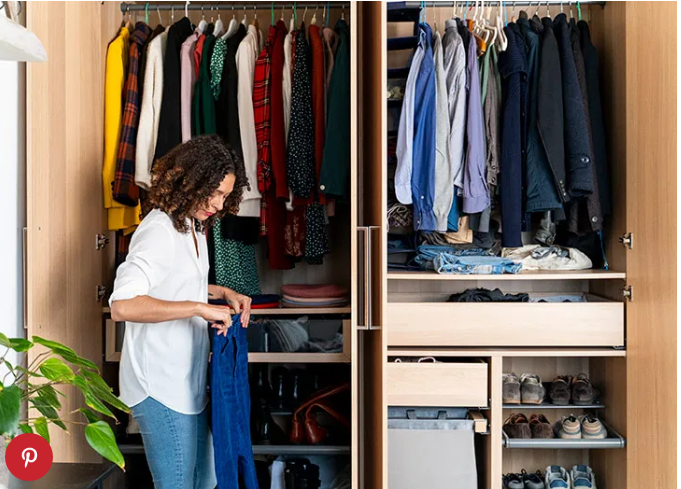
Step 2: Declutter Your Closet
Go through your wardrobe piece by piece and ask:
-
Do I love it?
-
Do I wear it often?
-
Does it fit me well?
-
Does it align with my lifestyle?
If the answer is “no,” it’s time to donate, sell, or recycle that item.
Step 3: Choose a Neutral Color Palette
Neutral tones like black, white, beige, navy, and gray are versatile and timeless. They make mixing and matching easy, ensuring every outfit looks cohesive and balanced.
Step 4: Focus on Quality, Not Quantity
Invest in clothing made from durable fabrics like cotton, linen, or wool. Choose well-crafted items over cheap, fast-fashion alternatives. Remember, a single high-quality coat can outlast several low-cost ones.
Step 5: Maintain and Update Mindfully
A minimalist wardrobe requires ongoing attention. Each season, review your collection and remove items that no longer serve you. Add only those that bring value and fit your evolving style.
Essential Pieces for a Minimalist Wardrobe
A minimalist wardrobe typically includes the following essentials:
-
White shirt: Classic and versatile, perfect for both formal and casual looks.
-
Black trousers or jeans: A foundational piece for countless outfits.
-
Neutral sweater or cardigan: Adds warmth and style effortlessly.
-
Tailored blazer: Instantly elevates your appearance.
-
Little black dress: Timeless, elegant, and easy to style.
-
Comfortable shoes: Neutral-colored sneakers or loafers go with everything.
-
Simple accessories: A wristwatch, minimalist jewelry, or a leather belt adds subtle charm.
These basics form the backbone of a wardrobe that’s both stylish and sustainable.
Minimalism Beyond Clothing
The minimalist wardrobe is just the beginning of a broader minimalist lifestyle. Once you start simplifying your closet, you’ll notice a desire to declutter other areas of your home, digital life, and even your schedule.
Minimalism encourages you to live intentionally, focusing on what truly adds value. It helps you appreciate experiences over possessions and clarity over chaos.
Minimalist Wardrobe for Different Lifestyles
1. Working Professionals
A neutral blazer, tailored pants, and a crisp shirt can create multiple office-ready looks. Add a few statement accessories for versatility.
2. Students
Comfort and practicality matter most. Stick to jeans, t-shirts, hoodies, and sneakers that mix easily.
3. Creatives
Go for expressive basics, oversized shirts, textured fabrics, and neutral tones with occasional artistic accents.
The Emotional Side of Minimalist Fashion
A minimalist wardrobe is more than a fashion statement; it’s emotional freedom. When you stop chasing trends and focus on what truly matters, you develop confidence and peace.
You begin to dress for yourself, not for others. Every item becomes meaningful, every outfit intentional, and every purchase purposeful.
Conclusion:
A minimalist wardrobe isn’t just about owning fewer clothes; it’s about choosing purpose, simplicity, and personal style. By focusing on quality over quantity, you create a collection that truly reflects who you are while saving time, money, and space. Embracing minimalism in your wardrobe encourages mindfulness, sustainability, and confidence in your daily choices, proving that less really can be more.
Minimalist Wardrobe FAQs:
-
What is a minimalist wardrobe?
A minimalist wardrobe is a small collection of versatile, high-quality clothing you love to wear. -
How many pieces should a minimalist wardrobe have?
It typically includes 20–40 essential pieces that mix and match easily. -
Why should I choose a minimalist wardrobe?
It saves time, reduces clutter, and helps define your personal style. -
Can I still follow fashion trends with a minimalist wardrobe?
Yes, you can add a few trend pieces without losing simplicity or balance. -
How do I start creating a minimalist wardrobe?
Start by decluttering, keeping only items you wear often and truly love.