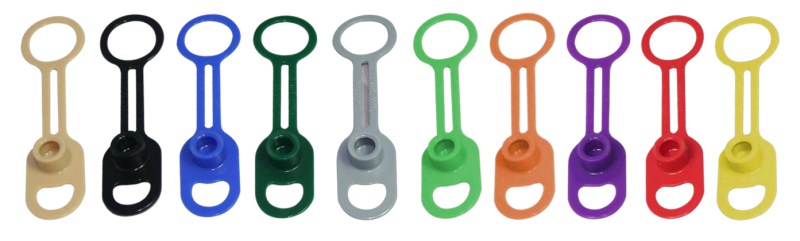
Machinery and heavy equipment require constant lubrication to function efficiently. Without proper grease fitting protection, your machines are vulnerable to dirt, dust, and moisture — all of which can lead to serious mechanical wear and tear. In 2025, maintaining machinery performance is not just about lubrication; it’s about keeping the lubrication system clean and well-protected.
- What Is a Grease Fitting and How Does It Work?
- Why Grease Fitting Protection Matters
- Common Problems and How to Fix Them
- 1. Grease Not Flowing Properly
- 2. Grease Leaking Around the Fitting
- 3. Rust or Corrosion
- 4. Broken or Snapped Fitting
- 5. Over-Greasing
- 6. Contaminated Grease
- 7. Loose Fittings
- 8. Stuck or Jammed Check Ball
- How to Maintain and Clean Grease Fittings
- Choosing the Right Grease Fitting Protection
- Conclusion
This article explains why grease fitting protection is so important, how it works, and what steps you can take to keep your machinery in top condition.
What Is a Grease Fitting and How Does It Work?
A grease fitting, also known as a Zerk fitting, is a small metal connector that allows grease to be pumped directly into a bearing or other moving part. It acts as a one-way valve — grease can enter the component, but dirt and contaminants are kept out.
When you attach a grease gun to the fitting, the grease flows through it under pressure and reaches the internal moving parts. This ensures smooth operation, reduces friction, and prevents premature failure.
However, over time, these fittings can get clogged, corroded, or damaged due to exposure to harsh working environments. That’s where grease fitting protection becomes essential.
Why Grease Fitting Protection Matters
Many operators underestimate how easily contaminants can ruin a well-lubricated system. Grease fittings are usually located in areas that are constantly exposed to mud, oil, dust, or water. Even a tiny amount of contamination can mix with the grease and reduce its effectiveness.
Here are the key reasons why protecting grease fittings is crucial:
-
Prevents Dirt Ingress: Protective caps and covers act as barriers, keeping out sand, debris, and other harmful particles.
-
Reduces Corrosion: Moisture exposure can lead to rust and corrosion. Protective caps prevent this by sealing the fitting head.
-
Extends Equipment Life: Clean and consistent lubrication reduces friction and heat, helping your machinery run longer.
-
Improves Performance: A protected grease system ensures smooth grease flow and uniform distribution across components.
-
Lowers Maintenance Costs: Preventive protection saves money by avoiding major repairs and bearing replacements.
Simply put, a few protective caps can make a huge difference in the long-term reliability of your equipment.
Common Problems and How to Fix Them
Even with protection, problems can still occur in grease fittings. Below are the most frequent issues and simple ways to fix them before they cause major breakdowns.
1. Grease Not Flowing Properly
Sometimes grease won’t flow through the fitting, leaving the bearing dry. This usually happens when the fitting is clogged with hardened grease, rust, or dirt.
Solution: Remove the fitting and clean it with a degreaser or specialized tool. If cleaning doesn’t work, replace it entirely to restore proper grease flow.
2. Grease Leaking Around the Fitting
If you notice grease leaking around the fitting rather than entering the joint, the threads or seal may be worn or damaged.
Solution: Tighten the fitting securely or replace it if the threads are stripped. Always ensure a proper seal when reinstalling.
3. Rust or Corrosion
Rust often appears when the protective cap is missing or cracked, allowing moisture to enter. This corrosion can block grease flow or even damage the fitting permanently.
Solution: Clean the affected area with a wire brush, apply anti-rust spray, and replace the missing cap to prevent future damage.
4. Broken or Snapped Fitting
Overtightening or excessive pressure from the grease gun can crack or break the nipple.
Solution: Remove the broken fitting using a wrench or extractor, clean the area, and replace it with the correct size and pressure-rated fitting.
5. Over-Greasing
While it might seem harmless, too much grease can actually damage seals and cause leakage.
Solution: Follow the manufacturer’s lubrication guide and use the recommended amount. Wipe away any excess grease after each use.
6. Contaminated Grease
When grease appears milky, dirty, or watery, it’s contaminated — usually from dirt or moisture entering through an unprotected fitting.
Solution: Flush the bearing completely, clean the system, and refill it with clean, compatible grease.
7. Loose Fittings
Vibration or poor installation can cause fittings to loosen, leading to leakage and air pockets in the lubrication line.
Solution: Tighten the fitting carefully. If it keeps loosening, use a locking fitting or apply a thread sealant for extra stability.
8. Stuck or Jammed Check Ball
If the fitting won’t accept grease even though the gun is properly attached, the internal check ball might be jammed.
Solution: Replace the fitting and always keep protective caps on to prevent dirt from entering and jamming the mechanism.
How to Maintain and Clean Grease Fittings
Proper maintenance of grease fittings is simple but highly effective. Here are some best practices to keep your fittings in perfect working condition:
-
Clean Before and After Greasing: Always wipe the fitting with a clean rag before attaching the grease gun to prevent dirt from entering.
-
Use Protective Caps: Caps are the easiest and cheapest way to protect fittings from moisture, dust, and impact damage.
-
Inspect Regularly: Check fittings weekly or monthly, depending on machine use. Look for leaks, cracks, or missing caps.
-
Avoid Mixing Grease Types: Using different grease formulations can cause chemical reactions that reduce lubrication quality.
-
Flush When Needed: If the grease looks dirty or contaminated, flush the system and replace it with fresh grease.
-
Apply Anti-Seize Compound: When installing new fittings, apply a small amount of anti-seize to prevent corrosion and ease future removal.
-
Store Grease Properly: Keep grease cartridges sealed and stored in a clean, dry environment to avoid contamination.
By following these steps, you’ll ensure that your grease fittings remain clean and functional for years.
Choosing the Right Grease Fitting Protection
Not all fittings or protection types are the same. Choose the right material and design depending on your working environment:
-
Plastic Caps: Ideal for general-purpose use and easy to install.
-
Metal Caps: Better for heavy-duty machinery and industrial environments.
-
Rubber Covers: Excellent for sealing out moisture and dust in outdoor conditions.
-
Threaded Protectors: Best for high-pressure applications where fittings must stay firmly sealed.
When in doubt, consult your machinery manual or lubrication supplier to match the correct fitting type and size.
Conclusion
Protecting your grease fittings is one of the simplest yet most effective ways to safeguard your machinery from dirt, wear, and failure. Whether you use protective caps, regular cleaning routines, or replacement schedules, these small steps can dramatically extend your equipment’s lifespan.
In 2025, efficient machinery maintenance isn’t just about adding more grease — it’s about keeping that grease clean and contained. By investing a little time and care in grease fitting protection, you’ll reduce downtime, save money on repairs, and keep your machines running at their best for years to come.
FAQ;
-
What is grease fitting protection, and why is it important?
Grease fitting protection refers to covers or caps that shield grease fittings from dirt, dust, and moisture, ensuring smooth lubrication and preventing machinery damage. -
How does grease fitting protection prevent dirt and debris contamination?
These covers act as a barrier, stopping particles from entering the grease fitting and contaminating the lubricant, which could otherwise cause wear and tear. -
Can grease fitting covers extend the life of machinery?
Yes, by keeping grease clean and preventing corrosion or damage to moving parts, these covers help extend machinery life and reduce maintenance costs. -
What types of grease fitting protection are available?
Grease fitting protection comes in various types, like plastic caps, rubber boots, metal covers, and hinged caps, each suitable for different environments and machinery. -
How do you properly install grease fitting protection on equipment?
Simply clean the grease fitting, select the correct cover size, and securely attach it to ensure it stays in place while providing maximum protection.