Introduction
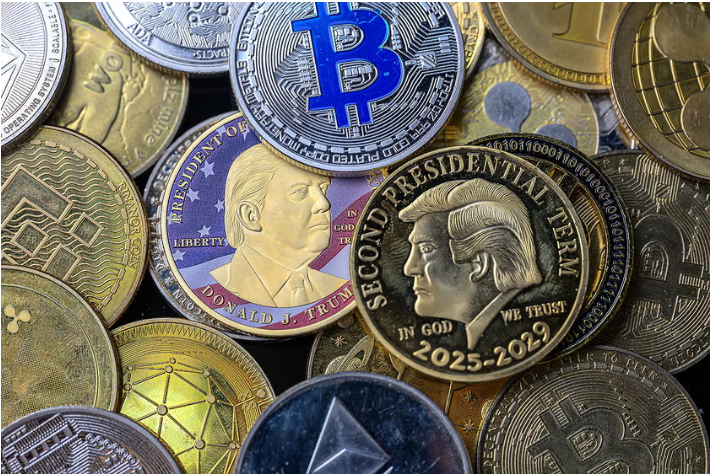
In the past decade, cryptocurrency has transformed from a niche digital experiment into one of the most influential financial revolutions of modern times. As global economies evolve toward digitalization, cryptocurrencies have become more than just an investment trend; they represent a fundamental shift in how value is stored, transferred, and perceived. From Bitcoin’s rise as digital gold to the emergence of decentralized finance (DeFi), non-fungible tokens (NFTs), and central bank digital currencies (CBDCs), the crypto landscape continues to expand and diversify. In 2025, the focus has shifted toward utility, regulation, and global adoption, marking a new chapter in the digital finance revolution.
- Introduction
- 1. Institutional Adoption and Mainstream Integration
- 2. The Rise of Stablecoins and Central Bank Digital Currencies (CBDCs)
- 3. Decentralized Finance (DeFi) 2.0: Beyond Lending and Staking
- 4. NFTs and the Evolution of Digital Ownership
- 5. Layer 2 Solutions and Blockchain Scalability
- 6. Regulation and the Quest for Transparency
- 7. Green Blockchain and Sustainable Crypto Mining
- 8. The Role of Artificial Intelligence in Crypto
- 9. Global Impact and the Future of Digital Economies
- Conclusion
1. Institutional Adoption and Mainstream Integration
One of the most significant trends shaping the global cryptocurrency market is the growing interest from institutional investors. Traditional financial giants such as BlackRock, Fidelity, and JPMorgan have entered the crypto space, offering digital asset portfolios and blockchain-based services.
Moreover, multinational corporations now accept cryptocurrency as payment, and blockchain-based remittance systems are making cross-border transactions faster and cheaper. As traditional and decentralized systems continue to converge, cryptocurrencies are evolving from speculative assets to legitimate financial instruments.
2. The Rise of Stablecoins and Central Bank Digital Currencies (CBDCs)
The volatility of cryptocurrencies like Bitcoin and Ethereum has long been a barrier to mass adoption. This has paved the way for stablecoins, digital currencies pegged to stable assets like the U.S. dollar or gold. In 2025, stablecoins will have become essential tools for global trade and remittances, bridging the gap between traditional finance and decentralized ecosystems.
Simultaneously, governments are exploring Central Bank Digital Currencies (CBDCs) to modernize monetary systems. Countries such as China (with the digital yuan), the European Union (digital euro), and India (digital rupee) are leading this transformation. CBDCs promise secure, traceable, and efficient financial systems, offering the benefits of blockchain without the volatility of private cryptocurrencies.
3. Decentralized Finance (DeFi) 2.0: Beyond Lending and Staking
Decentralized Finance, or DeFi, has redefined traditional banking by allowing users to lend, borrow, and earn interest without intermediaries. In 2025, we’ve moved beyond simple lending and staking to a new era of DeFi 2.0. This new phase introduces self-sustaining protocols, enhanced security, and cross-chain functionality.
Projects are now focused on scalability, real-world asset tokenization, and compliance integration. For instance, tokenized real estate, stocks, and even carbon credits are becoming accessible through blockchain, expanding DeFi’s potential beyond the crypto community.
4. NFTs and the Evolution of Digital Ownership
Non-Fungible Tokens (NFTs) revolutionized digital art, gaming, and entertainment between 2021–2023, but by 2025, their utility had expanded far beyond collectibles. The latest trend involves NFT 2.0, which integrates smart contracts for real-world applications like property ownership, digital identity verification, and intellectual property management.
Major brands and content creators are embracing NFTs to establish direct connections with audiences. From event tickets to virtual real estate, NFTs now represent a new form of digital asset ownership that merges creativity, technology, and finance. The fusion of NFTs and metaverse economies also signals a deeper connection between digital and physical value systems.
5. Layer 2 Solutions and Blockchain Scalability
As blockchain networks grew in popularity, scalability became one of the industry’s biggest challenges. Slow transaction speeds and high gas fees limited usability. Enter Layer 2 solutions technologies built on top of existing blockchains to increase efficiency and reduce costs.
Platforms like Polygon, Arbitrum, and Optimism have gained traction for enabling faster transactions while maintaining security. Meanwhile, innovations such as sharding and zero-knowledge proofs are enhancing blockchain performance and privacy.
6. Regulation and the Quest for Transparency
Global regulators have realized that cryptocurrency cannot be ignored or banned it must be understood and managed. In 2025, countries are adopting clearer frameworks for taxation, anti-money laundering (AML) compliance, and consumer protection.
While regulation may initially seem restrictive, it is paving the way for greater investor confidence and long-term stability. The European Union’s MiCA (Markets in Crypto Assets) framework and similar policies in the U.S. and Asia are setting the foundation for a secure and transparent crypto environment. As regulations mature, institutional investors and businesses are finding it easier to participate in digital markets.
7. Green Blockchain and Sustainable Crypto Mining
Environmental concerns surrounding Bitcoin mining once sparked global criticism. However, new technologies and renewable energy initiatives are transforming the narrative.
Cryptocurrency projects are now prioritizing sustainability, with many miners using solar, wind, and hydro energy. Networks like Ethereum have already transitioned to PoS, reducing their carbon footprint by over 99%. As sustainability becomes a core principle of blockchain development, the crypto industry is aligning itself with global environmental goals.
8. The Role of Artificial Intelligence in Crypto
The integration of Artificial Intelligence is among the most exciting trends shaping the future of cryptocurrency. , detect fraudulent activities, and predict market trends.
Moreover, blockchain provides the transparency and security needed for responsible development. Together, these technologies are driving innovations such as. This synergy is set to redefine financial intelligence in a decentralized world.
9. Global Impact and the Future of Digital Economies
Cryptocurrency is no longer a Western-centric phenomenon; it has become a global economic equalizer. Developing nations are adopting digital assets to counter inflation, empower small businesses, and improve financial inclusion. In regions where access to banking is limited, cryptocurrencies are creating opportunities for unbanked populations to participate in the digital economy.
Meanwhile, blockchain-based governance systems are promoting transparency and accountability in both public and private sectors. The convergence of finance, technology, and policy is leading to a more inclusive, digital-first economic framework.
Conclusion
The cryptocurrency market of 2025 represents a dynamic fusion of innovation, regulation, and global collaboration. What began as an experimental idea has evolved into a transformative force reshaping industries, economies, and societies.
FAQs
-
Q: What is the Latest Cryptocurrency everyone is talking about in 2025?
A: The Latest Cryptocurrency gaining attention in 2025 is one that combines DeFi and sustainability for global use. -
Q: How can I invest in the Latest Cryptocurrency safely?
A: Always use regulated exchanges and secure wallets before investing in any Latest Cryptocurrency. -
Q: Why is the Latest Cryptocurrency trend important for investors?
A: The Latest Cryptocurrency trend shows where digital finance and global adoption are heading next. -
Q: Is the Latest Cryptocurrency more stable than Bitcoin or Ethereum?
A: Many of the Latest Cryptocurrencies focus on stability through innovation, like stablecoins and advanced blockchain tech. -
Q: How does the Latest Cryptocurrency impact global markets?
A: The Latest Cryptocurrency drives financial innovation, creating new opportunities in trading, banking, and fintech.