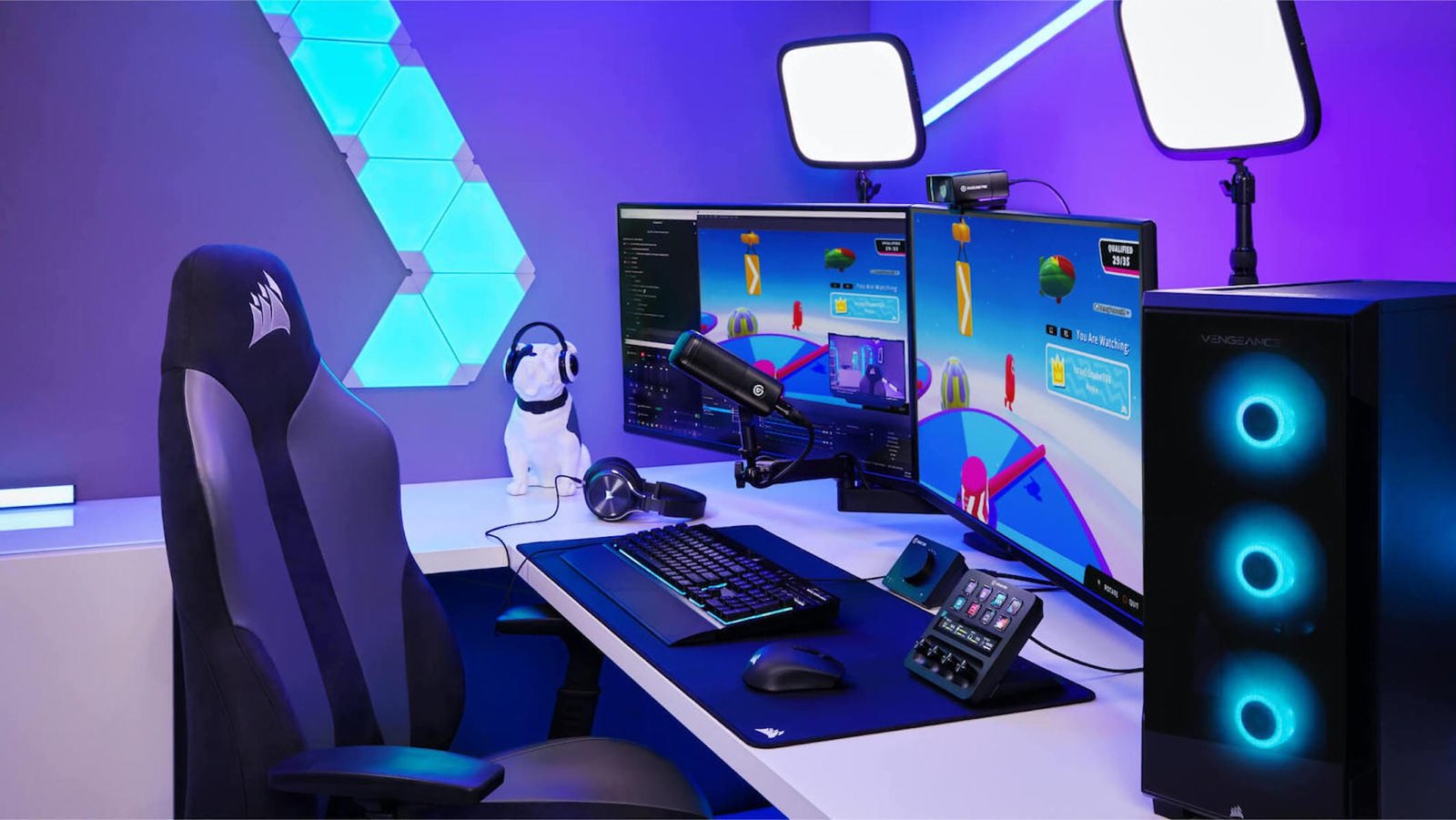
Introduction
In today’s fast-evolving digital world, content creators have become the new-age storytellers, educators, and entertainers. From YouTubers and podcasters to bloggers and influencers, creators rely heavily on technology to produce, edit, and share their work. The rise of creator-focused tools and platforms has transformed how content is made, distributed, and monetized. This digital revolution has opened countless opportunities for creative individuals to reach global audiences and turn passion into a profession.
- Introduction
- 1. The Rise of the Creator Economy
- 2. Essential Tools for Modern Content Creators
- a. Video Editing Software
- b. Graphic Design and Animation Tools
- c. Audio Tools
- d. Content Planning and Analytics
- e. AI-Powered Assistance
- 3. Emerging Trends in Creator Technology
- a. Short-Form Video Domination
- b. Live Streaming and Real-Time Interaction
- c. Virtual and Augmented Reality
- d. Monetization Through Subscriptions and NFTs
- e. Mobile-First Creation
- 4. Collaboration and Community Building
- 5. Challenges in the Digital Creator Space
- 6. The Future of Creator Technology
- Conclusion
- FAQs
This article explores the most powerful tools and emerging trends shaping the future of content creation and how technology continues to empower creators across industries.
1. The Rise of the Creator Economy
The “creator economy” refers to the growing ecosystem of digital creators who make a living producing online content. With over 200 million creators worldwide, this space is booming. Platforms like YouTube, TikTok, Instagram, and Twitch have given creators the ability to build personal brands, collaborate with brands, and generate income through advertising, sponsorships, and fan support.
Tech innovation has made it easier for anyone with a smartphone and an internet connection to become a content producer. This democratization of creativity means professional-quality content can now come from anywhere, not just studios or agencies.
“Content Creator Tech turns your ideas into powerful, polished content—faster, sharper, and smarter.”
2. Essential Tools for Modern Content Creators
Technology is at the heart of every creator’s workflow. Let’s look at the top tools empowering today’s digital creators:
a. Video Editing Software
High-quality video is essential in digital storytelling. Tools like Adobe Premiere Pro, Final Cut Pro, and DaVinci Resolve offer professional-grade editing features. For mobile creators, apps such as CapCut, VN Editor, and InShot are perfect for quick edits and on-the-go publishing.
b. Graphic Design and Animation Tools
Visual appeal is everything in content creation. Tools like Canva, Figma, and Adobe Photoshop help creators design thumbnails, social media posts, and promotional graphics. For motion content, After Effects and Blender bring animation and visual effects to life.
c. Audio Tools
Good sound quality is as important as visuals. Audacity, GarageBand, and Adobe Audition enable creators to clean up audio, add music, and create professional-sounding podcasts or voiceovers.
d. Content Planning and Analytics
To stay consistent and strategic, creators use tools like Notion, Trello, and Buffer for content planning, while Google Analytics and TubeBuddy help track performance and audience engagement.
e. AI-Powered Assistance
Artificial intelligence has become a creator’s secret weapon. From caption generation to image enhancement, AI tools help streamline repetitive tasks. Platforms like ChatGPT, Descript, and Runway ML enable creators to automate editing, scriptwriting, and even idea generation.
3. Emerging Trends in Creator Technology
a. Short-Form Video Domination
TikTok and YouTube Shorts have transformed how audiences consume content. Bite-sized videos under one minute capture attention quickly, driving engagement and viral reach. This trend is shaping how creators plan, film, and promote their work.
b. Live Streaming and Real-Time Interaction
Live streaming on Twitch, Instagram, and YouTube has become a direct connection between creators and their communities. Real-time chats, donations, and reactions enhance authenticity and help creators build trust with their audience.
c. Virtual and Augmented Reality
VR and AR are changing the way creators tell stories. From 360° travel vlogs to virtual product showcases, immersive experiences are redefining creative possibilities. Platforms like Meta Horizon Worlds and Adobe Aero are leading this shift.
d. Monetization Through Subscriptions and NFTs
Creators are moving beyond ads. Platforms like Patreon, Ko-fi, and OnlyFans allow direct fan support. NFTs (Non-Fungible Tokens) give digital artists ownership and new income streams by selling exclusive content or collectibles.
e. Mobile-First Creation
The smartphone has become the all-in-one studio. With powerful cameras, editing apps, and social media integration, mobile creation is redefining convenience and creativity.
4. Collaboration and Community Building
Modern content creation thrives on collaboration. Co-creating videos, podcasts, or campaigns with other creators not only increases reach but also brings diverse ideas together. Community-based platforms like Discord and Reddit help creators connect, share resources, and support each other’s growth.
The sense of belonging and mutual encouragement within creator communities has made digital creation a more social and rewarding experience.
5. Challenges in the Digital Creator Space
While technology empowers creators, it also introduces challenges. Oversaturation of content, algorithm dependency, and copyright issues remain major hurdles. Maintaining originality and consistency amid fast-changing trends can be exhausting.
Additionally, data privacy, platform changes, and fluctuating monetization models can impact creators’ stability. To stay successful, adaptability and innovation are crucial.
6. The Future of Creator Technology
The next generation of creator tech will blend automation, personalization, and immersive experiences. AI will continue to simplify content production, while Web3 technologies will give creators more control over their work and earnings.
We can also expect deeper integration between social platforms and creative software, enabling seamless publishing and analytics tracking. The line between technology and creativity will continue to blur, giving rise to smarter, more interactive content experiences.
Conclusion
Technology has completely revolutionized the way content is created, shared, and consumed. From AI-assisted editing to mobile-first production, creators today have endless opportunities to innovate and express themselves. As trends evolve, one thing remains certain — those who adapt, experiment, and stay authentic will continue to thrive in the digital age.
The creator economy is not just a passing trend; it is the foundation of a new digital culture where technology and creativity coexist to shape the stories of tomorrow.
FAQs
1. What is content creator technology?
Content creator technology includes software, hardware, and digital tools that help individuals produce, edit, and share online content effectively.
2. Which tools are best for new creators?
Beginners can start with Canva for design, CapCut for video editing, and Audacity for audio production. These are easy to use and free to start.
3. How is AI helping content creators?
AI simplifies content creation by automating tasks like captioning, idea generation, video editing, and analytics, allowing creators to focus on creativity.
4. What are the top trends in content creation today?
Short-form videos, live streaming, VR/AR experiences, and subscription-based monetization are leading the way in 2025.
5. How can creators stay successful in a fast-changing digital world?
Consistency, authenticity, and staying updated with the latest tools and trends are key to long-term success in content creation.