

Introduction
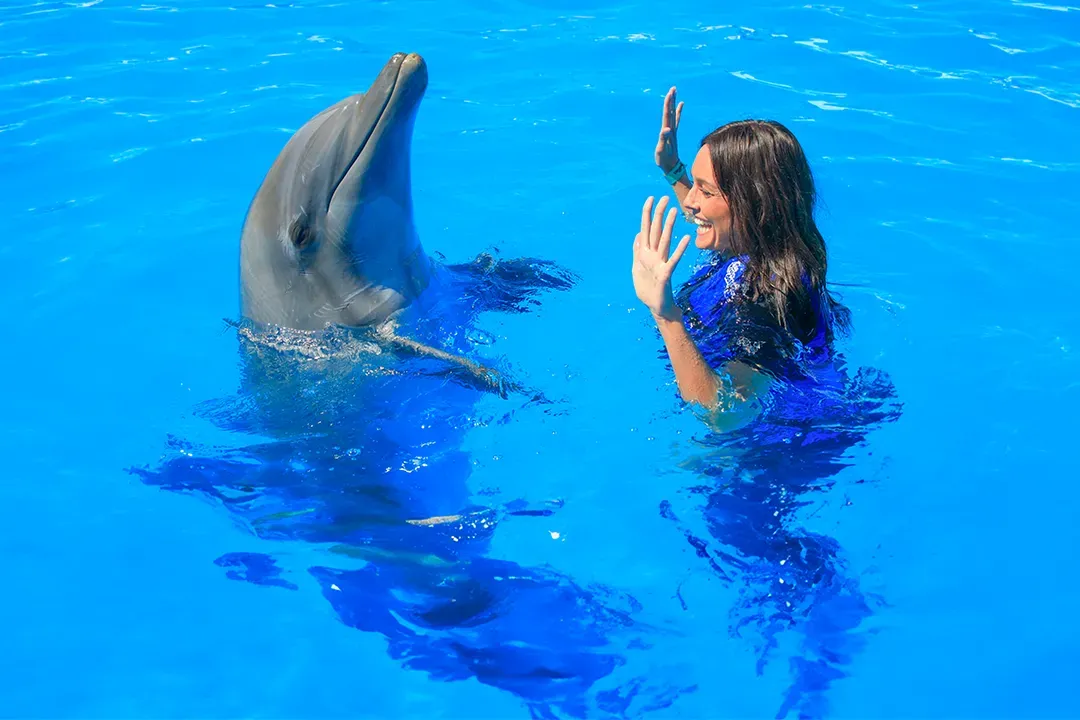
For centuries, dolphins have fascinated humanity. Their playful nature, remarkable intelligence, and friendly appearance make them one of the most beloved creatures in the ocean. Many people dream of communicating with these marine mammals—perhaps through sounds, gestures, or close encounters. However, few realize that in many parts of the world, it’s actually illegal to communicate or interact with wild dolphins.
This law might seem surprising, even unfair to some, but it’s grounded in strong scientific, ethical, and safety reasons. From protecting marine life to ensuring human safety, the restrictions around human-dolphin communication are designed to maintain balance in the natural world.
- Introduction
- The Human Fascination with Dolphins
- The Legal Boundaries: Why It’s Against the Law
- The Ethical and Environmental Perspective
- Hidden Dangers for Humans
- Scientific Research: When Communication Is Allowed
- The Global Legal Landscape
- How Communication Affects Dolphin Behavior
- A Better Way to Appreciate Dolphins
- FAQs;
- Call to Action
The Human Fascination with Dolphins
Dolphins have long captured our imagination. From ancient legends to modern documentaries, these intelligent beings are often portrayed as friendly, social, and even capable of understanding human emotions. Their advanced echolocation skills and problem-solving abilities have led scientists to study them for decades, hoping to bridge the communication gap between species.
But fascination can sometimes lead to harmful curiosity. Tourists trying to “talk” to dolphins, swimmers reaching out to touch them, or boaters attempting to feed them often cause more harm than good. What seems like a moment of connection can disrupt a dolphin’s natural behavior and put both humans and animals at risk.
“Protecting the Ocean’s Intelligence: Understanding Why Communicating with Dolphins Is Forbidden to Keep Nature in Balance”
The Legal Boundaries: Why It’s Against the Law
In countries like the United States, the Marine Mammal Protection Act (MMPA) strictly prohibits the harassment, feeding, or interaction with wild dolphins. The law defines harassment as any act that changes an animal’s natural behavior, such as approaching too closely, attempting to talk to, or feeding it.
The purpose of such laws is simple: to protect dolphins from human interference. When people approach dolphins or try to communicate, it may seem harmless, but it can actually cause significant stress. Dolphins may begin associating humans with food, which alters their instincts and increases the risk of injury or dependence.
Even seemingly innocent acts—like whistling, clicking, or tossing food—can lead to fines or penalties under marine protection regulations. Authorities worldwide have reinforced that keeping a respectful distance from wild dolphins isn’t just a moral choice; it’s a legal obligation.
The Ethical and Environmental Perspective
From an ethical standpoint, humans must recognize that not all curiosity is beneficial. Dolphins live in complex social groups with their own language, behavior patterns, and emotional bonds. Trying to “talk” to them or involve them in human interaction invades that natural space.
Wildlife experts often compare human interference with dolphins to interrupting another species’ private conversation. When we force communication, we disturb their community balance and risk pushing them toward stress or confusion.
Ethically, respecting dolphins means allowing them to exist without human interruption. The oceans are their world, and our admiration should come with responsibility, not control.
Hidden Dangers for Humans
It’s easy to forget that dolphins are powerful wild animals, not performers or pets. Despite their friendly image, they can be unpredictable. There have been cases of dolphins injuring swimmers, ramming boats, or acting aggressively when they feel threatened.
Scientists believe this aggression often comes from frustration caused by overexposure to humans. Some dolphins become territorial, especially during mating seasons or when protecting their young. Others may approach humans expecting food, and when they don’t receive it, they can react violently.
Scientific Research: When Communication Is Allowed
While the general public cannot legally approach or communicate with dolphins, scientific research under strict permits is an exception. Researchers use controlled environments to study dolphin communication through sound, behavior, and cognitive responses.
These studies have revealed astonishing findings—dolphins can recognize themselves in mirrors, use signature whistles as names, and understand complex instructions. However, scientists always emphasize that these interactions are guided by ethical standards and government-approved protocols.
Such research aims to understand dolphins, not exploit them. The goal is to help conserve marine life and educate the public on how to coexist respectfully.
The Global Legal Landscape
Beyond the U.S., many countries have similar protection laws.
-
Australia enforces strict rules preventing swimmers or boaters from approaching dolphins within 50 meters.
-
The United Kingdom also prohibits feeding or disturbing dolphins under the Wildlife Protection Acts.
-
European Union directives consider dolphins endangered and prioritize their habitats.
Each regulation stems from the same idea: dolphins deserve to live freely without being treated as entertainment or test subjects for human curiosity.
How Communication Affects Dolphin Behavior
Studies show that frequent human interaction can change how dolphins hunt, socialize, and travel. For example, dolphins in heavily visited tourist areas often abandon traditional hunting zones to follow boats or people. This shift can disrupt their food chain and make them more vulnerable to predators or starvation.
Noise pollution from boats and underwater devices also interferes with their echolocation, the sonar system dolphins rely on to navigate and communicate. This confusion can separate mothers from calves, reduce reproductive success, and even lead to death in severe cases.
So, when laws forbid communication, they’re not blocking human curiosity—they’re preserving a delicate marine ecosystem that depends on natural balance.
A Better Way to Appreciate Dolphins
Loving dolphins doesn’t mean we have to communicate with them directly. The best way to admire these incredible animals is through responsible observation and conservation.
-
Visit ethical marine sanctuaries or conservation programs where dolphins are protected, not exploited.
-
Support organizations like WWF or NOAA, which promote ocean safety and research.
-
Watch documentaries or participate in awareness programs to understand how vital dolphins are to marine life.
By observing from a respectful distance, we ensure dolphins remain wild, free, and healthy for generations to come.
Conclusion
Because it’s not just about law—it’s about respect, safety, and balance. These beautiful creatures deserve to live undisturbed in their natural environment. Laws like the Marine Mammal Protection Act aren’t meant to limit human freedom but to protect the fragile harmony between species.
By keeping our distance and appreciating dolphins from afar, we allow them to thrive as they were meant to free, wild, and unbothered.
FAQs;
-
Is it really illegal to communicate with dolphins?
Yes, laws like the Marine Mammal Protection Act make it illegal to interact or communicate with wild dolphins. -
Why can’t humans talk to dolphins in the wild?
Human communication can stress dolphins and disrupt their natural behavior. -
What happens if someone tries to talk to a dolphin?
It’s considered harassment under marine protection laws and can result in fines or penalties. -
Are there any exceptions to communicating with dolphins?
Only licensed researchers with special government permits can do so for scientific purposes. -
Why are these dolphin communication laws important?
They protect dolphins from harm, preserve marine ecosystems, and ensure human safety.
Call to Action
Protecting marine life starts with awareness. To explore more stories about wildlife, environmental ethics, and conservation, visit thegeneralgrowths.com — where nature and knowledge come together to inspire responsible growth.



Trying to find the right link for jl16link and I keep getting different pages! Does anyone know what the official website is? Thanks in advance! You can find more information here: jl16link