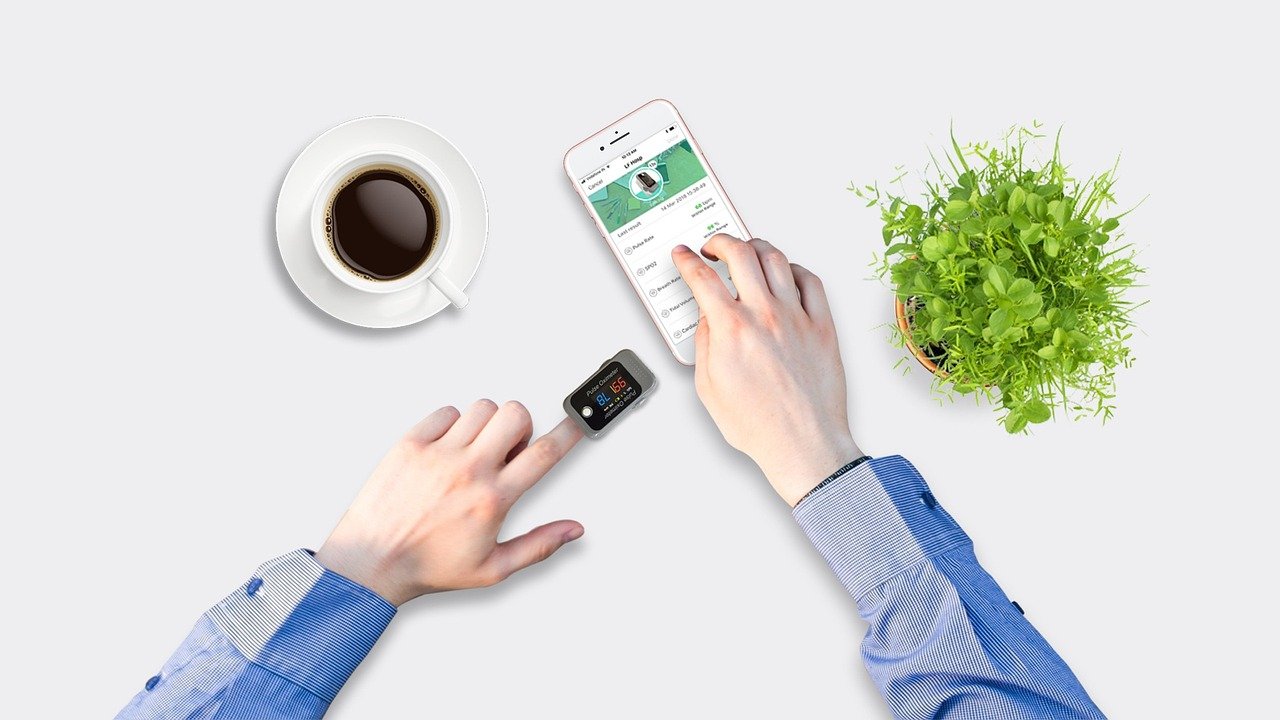
In today’s rapidly advancing world of medicine, the focus has shifted from reactive healthcare to proactive and preventive care. At the heart of this transformation lies non-invasive health monitoring, a field that is redefining how we track, understand, and maintain our health. Instead of relying on needles, incisions, or discomfort, non-invasive methods allow patients and doctors to access vital health data safely and painlessly.
This new era of health technology is not just about convenience; it’s about empowerment. It enables people to monitor their health in real-time, detect diseases earlier, and make informed decisions without hospital visits or invasive tests.
What Is Non-Invasive Health Monitoring?
Non-invasive health monitoring refers to medical techniques and devices that gather data about the body without penetrating the skin or entering the body. Instead of drawing blood or performing biopsies, these systems use sensors, imaging, or wearable technology to analyze health parameters such as:
-
Heart rate and blood pressure
-
Blood oxygen levels (SpO₂)
-
Blood glucose trends
-
Body temperature
-
Sleep patterns
-
Respiratory rate
Technologies like smartwatches, biosensors, and digital patches have made these once-complex procedures simple and accessible to anyone.
The Evolution of Health Monitoring
Traditionally, health checkups required hospital visits, lab tests, and sometimes even minor surgical procedures. With the rise of wearable technology, the process has become faster, safer, and more comfortable.
Devices like Fitbit, Apple Watch, and Garmin introduced people to continuous heart rate and activity tracking. Meanwhile, medical-grade innovations such as continuous glucose monitors (CGMs) and ECG patches have brought hospital-level diagnostics into the comfort of our homes.
This evolution has made it easier for both individuals and healthcare professionals to stay informed about a person’s health without disruption to their daily lives.
Key Technologies Powering Non-Invasive Monitoring
-
Wearable Sensors
From fitness trackers to medical-grade patches, wearable sensors collect vital data throughout the day. These sensors can detect heart rhythm irregularities, sleep apnea patterns, or changes in body temperature. -
Optical and Imaging Techniques
Technologies like photoplethysmography (PPG) and infrared imaging use light to measure blood flow, oxygen saturation, or glucose levels beneath the skin. -
Wireless Communication Systems
IoT-enabled devices securely transmit health data to cloud systems or healthcare providers, enabling remote diagnosis and continuous observation. -
Smart Textiles
Clothing embedded with biosensors can now track body metrics in real-time, perfect for athletes, patients recovering from surgery, or elderly individuals who need constant care. -
Driven Analysis (without user involvement)
While the user doesn’t interact with artificial systems directly, advanced algorithms within devices interpret the massive streams of health data, ensuring accurate alerts and timely insights.
Advantages of Non-Invasive Health Monitoring
-
Pain-Free Experience: No needles or discomfort during data collection.
-
Continuous Monitoring: Real-time tracking of health metrics provides early warnings for potential issues.
-
Cost-Effective: Reduces hospital visits and lab testing costs.
-
Improved Patient Compliance: Comfortable and user-friendly devices encourage consistent usage.
-
Early Disease Detection: Helps identify abnormalities before symptoms become severe.
-
Remote Care: Enables doctors to monitor patients even from a distance, ideal for rural areas or elderly care.
Applications Across the Medical Field
-
Cardiology – Continuous ECG monitoring detects arrhythmias early.
-
Diabetology – Glucose sensors like FreeStyle Libre provide painless blood sugar tracking.
-
Pulmonology – Oxygen saturation and respiratory rate tracking help manage chronic conditions like COPD.
-
Sleep Medicine – Wearables analyze sleep cycles to diagnose insomnia and sleep apnea.
-
Sports Medicine – Athletes monitor recovery, fatigue, and hydration in real-time.
These applications have transformed healthcare from something occasional to something ongoing, a constant partnership between technology, patients, and healthcare professionals.
Challenges and Considerations
Despite its promise, non-invasive monitoring faces challenges:
-
Accuracy: Some devices may deliver variable readings depending on skin type, temperature, or positioning.
-
Privacy Concerns: As devices collect sensitive health data, data security is crucial.
-
Device Calibration: Regular calibration is essential for consistent performance.
-
Accessibility: High-end devices can be expensive, making them less accessible in developing regions.
Healthcare innovators are continuously improving sensor accuracy and data protection to make these technologies more reliable and widely available.
The Future of Health Monitoring
The future of non-invasive health monitoring looks incredibly promising. Upcoming innovations include contactless glucose monitoring using laser technology, wearable ultrasound patches, and powered predictive health systems capable of warning users about potential health risks before symptoms appear.
Imagine a future where your smartwatch not only tracks your steps but can also alert your doctor if it detects early signs of heart disease or dehydration. Such advancements will empower individuals to take charge of their health like never before.
How Non-Invasive Monitoring Supports Preventive Healthcare
Preventive healthcare aims to stop illnesses before they occur. Non-invasive monitoring plays a major role by:
-
Detecting early biomarkers of disease
-
Providing lifestyle recommendations
-
Tracking the effectiveness of medication
-
Enabling personalized treatment plans
By merging technology with healthcare, we are moving toward a system where prevention truly becomes better than cure.
Real-World Impact and Success Stories
-
CardioSense Patch: A lightweight ECG patch that monitors heart rhythm 24/7, reducing hospital readmissions.
-
Oura Ring: A sleek wearable that tracks sleep, recovery, and body readiness — used by professional athletes worldwide.
-
Empatica E4: Used in research and clinical studies to monitor stress, temperature, and physiological responses.
Such devices highlight how non-invasive monitoring is already transforming daily lives, bridging the gap between wellness and clinical care.
Conclusion
Non-invasive health monitoring is more than just a medical advancement; it’s a revolution in how humans connect with their bodies. By combining comfort, accuracy, and innovation, this technology empowers people to stay healthier, detect risks earlier, and enjoy peace of mind through effortless health tracking.
As technology continues to evolve, we are heading toward a world where healthcare is always within reach, safe, smart, and non-invasive.
FAQs ;
-
What is non-invasive health monitoring?
It’s a way to track body functions without using needles, blood tests, or surgery. -
How does non-invasive monitoring work?
It uses sensors and wearable devices to collect real-time health data safely. -
What are the benefits of non-invasive monitoring?
It offers pain-free, continuous, and cost-effective health tracking. -
Which devices are used for non-invasive health monitoring?
Smartwatches, biosensors, ECG patches, and glucose monitors are common examples. -
Is non-invasive monitoring reliable for medical use?
Yes, modern devices provide accurate data and are widely used in clinical settings.