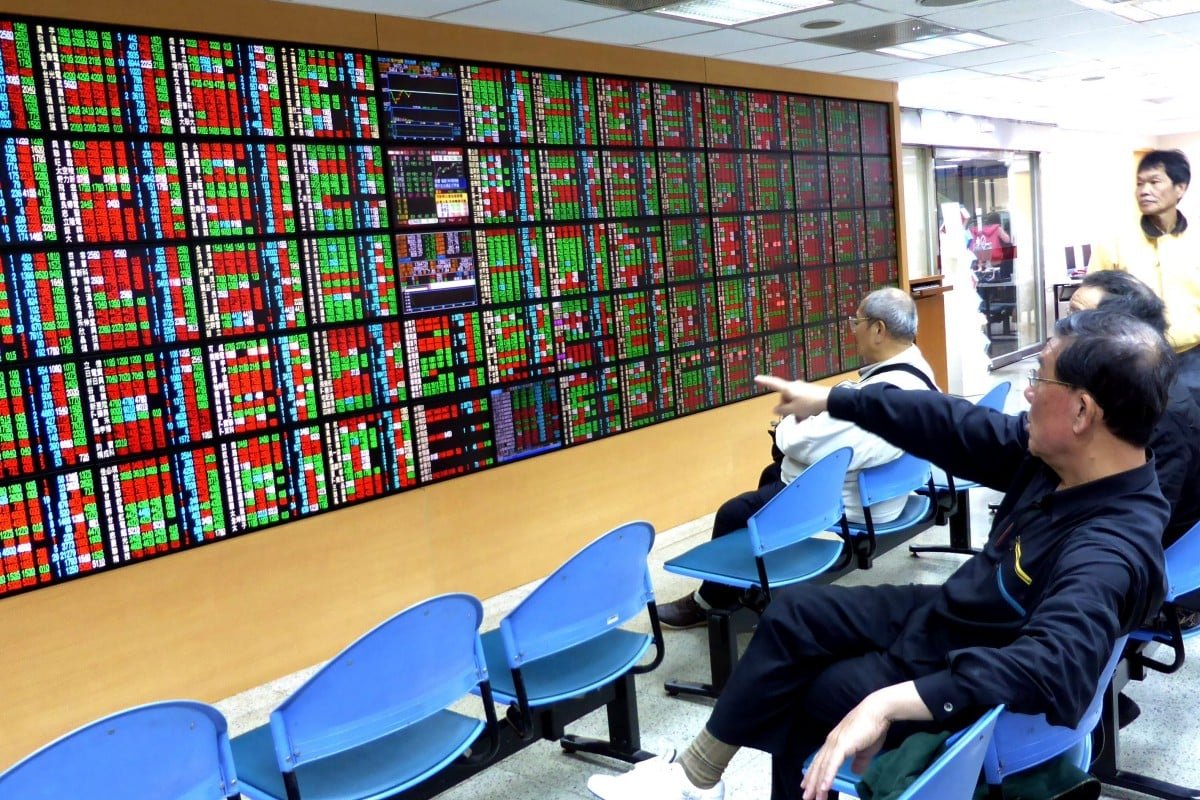
The Taiwan stock market has emerged as one of Asia’s most dynamic and resilient financial arenas, reflecting the country’s robust economy, technological innovation, and global trade influence. Home to some of the world’s most advanced semiconductor and electronics companies, Taiwan’s financial sector continues to thrive despite geopolitical challenges and global market fluctuations. This article explores the evolution, structure, and future prospects of the Taiwan stock market, emphasizing its critical role in shaping Asia’s financial landscape.
- The Evolution of the Taiwan Stock Market
- Structure and Major Exchanges
- Key Industries Driving the Market
- Market Performance and Global Influence
- Innovation and Technology Integration
- Sustainability and ESG Investments
- Challenges Facing the Taiwan Stock Market
- Future Outlook: A Bright and Connected Market
- Conclusion
The Evolution of the Taiwan Stock Market
The roots of the Taiwan stock market date back to 1961 with the establishment of the Taiwan Stock Exchange (TWSE) in Taipei. Initially, it served as a small trading platform for local companies, but over the decades, it evolved into a sophisticated financial hub that now attracts investors worldwide.
Taiwan’s economic transformation from an agriculture-based economy in the 1950s to a technology-driven powerhouse played a key role in shaping the stock market. The rise of globally recognized firms like Taiwan Semiconductor Manufacturing Company (TSMC), Hon Hai Precision (Foxconn), and MediaTek has positioned the island as a leader in global supply chains, particularly in semiconductors and electronics.
As foreign investments poured in during the 1990s and 2000s, the Taiwan stock market gained international visibility. Today, it serves as a barometer for technological advancement, innovation, and investor confidence in East Asia.
Structure and Major Exchanges
The Taiwan stock market operates through two primary exchanges:
-
Taiwan Stock Exchange (TWSE) – Established in 1961, it is the main platform for large and mid-cap companies.
-
Taipei Exchange (TPEx) – Also known as the Over-the-Counter (OTC) market, TPEx lists smaller, emerging, and innovative enterprises.
These exchanges are regulated by the Financial Supervisory Commission (FSC), ensuring transparency, investor protection, and market stability.
Trading on the TWSE occurs electronically, using advanced systems that ensure speed and security. The exchange also adopts global standards in corporate governance and financial reporting, making it attractive to both institutional and retail investors.
Key Industries Driving the Market
Taiwan’s economy is highly diversified, but a few key sectors dominate the Taiwan stock market:
-
Semiconductors: Taiwan is the undisputed global leader in semiconductor manufacturing, with TSMC alone accounting for over 50% of the world’s chip production.
-
Electronics and Technology: Companies like Acer, ASUS, and MediaTek have placed Taiwan at the forefront of global tech innovation.
-
Financial Services: The banking and insurance sectors contribute significantly to the market’s stability.
-
Green Energy: Taiwan is rapidly expanding its renewable energy infrastructure, creating new investment opportunities in solar and offshore wind industries.
-
Biotechnology and Healthcare: With a growing emphasis on innovation, biotech firms are increasingly gaining investor attention.
Market Performance and Global Influence
The Taiwan stock market has demonstrated remarkable resilience amid global challenges such as the COVID-19 pandemic and ongoing geopolitical tensions in East Asia. During the pandemic, Taiwan’s effective public health response and strong technology exports kept its economy stable, while many global markets struggled.
The TAIEX (Taiwan Capitalization Weighted Stock Index) serves as the main benchmark index for the TWSE. It tracks the performance of all listed common shares and reflects the overall market sentiment. Over the past decade, TAIEX has seen significant growth, largely driven by demand for semiconductors and digital technologies.
Innovation and Technology Integration
One of the defining characteristics of the Taiwan stock market is its focus on innovation. Taiwan’s government actively supports research and development (R&D) through various grants and policies that promote technology startups and industrial upgrading.
Digital transformation has also modernized the market itself. Online trading platforms, driven analytics, and blockchain-based financial tools have enhanced transparency and accessibility for investors. Furthermore, the TWSE has implemented sustainable finance initiatives, encouraging companies to disclose ESG (Environmental, Social, and Governance) performance, attracting socially responsible investors.
Sustainability and ESG Investments
In recent years, sustainability has become a central theme in the Taiwan stock market. The TWSE has introduced ESG guidelines to encourage companies to adopt eco-friendly practices, reduce carbon emissions, and improve corporate governance.
Major listed corporations like TSMC and Cathay Financial Holdings have integrated sustainability into their long-term strategies. As a result, ESG-themed funds and green bonds are gaining popularity, positioning Taiwan as a regional leader in sustainable finance.
Challenges Facing the Taiwan Stock Market
Despite its growth and innovation, the Taiwan stock market faces several challenges:
-
Geopolitical Tensions: Cross-strait relations with China remain a concern, as political instability could influence investor sentiment.
-
Export Dependency: The economy’s reliance on technology exports makes it vulnerable to global supply chain disruptions.
-
Aging Population: Taiwan’s demographic shifts may affect long-term labor availability and domestic consumption.
-
Global Competition: Other Asian markets like South Korea and Singapore continue to compete for foreign investment.
Future Outlook: A Bright and Connected Market
The future of the Taiwan stock market looks promising. With global demand for semiconductors, renewable energy, and smart technologies expected to rise, Taiwan stands to benefit immensely. Government initiatives such as the “5+2 Industrial Innovation Plan” and increased investment in digital infrastructure will further boost the market’s competitiveness.
The integration of 5G and green technologies will likely drive new investment trends. As Taiwan continues to balance innovation with sustainability, it is poised to remain a major player in the Asian and global financial landscape.
Conclusion
The Taiwan stock market represents more than just financial transactions; it embodies the spirit of innovation, adaptability, and economic resilience. From its early beginnings to becoming a hub for global investors, Taiwan’s market reflects the country’s transformation into a world-class technology and manufacturing powerhouse.
FAQs
1. What is the Taiwan stock market known for?
It’s renowned for its strong focus on semiconductor and technology companies like TSMC and MediaTek.
2 . Which index represents the Taiwan stock market?
The TAIEX Index tracks the performance of all listed stocks on the Taiwan Stock Exchange.
3. Why do global investors focus on Taiwan stocks?
Because Taiwan offers stability, innovation, and leadership in global tech manufacturing.
4. Is the Taiwan stock market open to foreign investors?
Yes, foreign investors can trade freely under Taiwan’s liberalized market regulations.
5. What drives the future growth of Taiwan stocks?
Rising demand for semiconductors, renewable energy, and digital innovation fuels its growth.