Introduction
The world of fashion is no longer limited to fabric, stitches, and runways. With the rise of technology, a new era of digital fashion has begun. From virtual clothing for avatars to 3D-designed garments and augmented reality (AR) fitting rooms, digital fashion is redefining what it means to express personal style in the digital age.
- Introduction
- What Is Digital Fashion?
- The Rise of Digital Fashion
- Technology and Creativity: A Perfect Blend
- Sustainability and Digital Fashion
- The Metaverse and Virtual Identity
- Digital Fashion in Marketing and Social Media
- Challenges of Digital Fashion
- The Future of Fashion Is Digital
- Conclusion
- FAQs About Digital Fashion
Fashion is evolving beyond physical boundaries. Today, creativity meets technology to craft experiences that are immersive, sustainable, and limitless. Digital fashion is not just a trend; it’s the future of fashion.
What Is Digital Fashion?
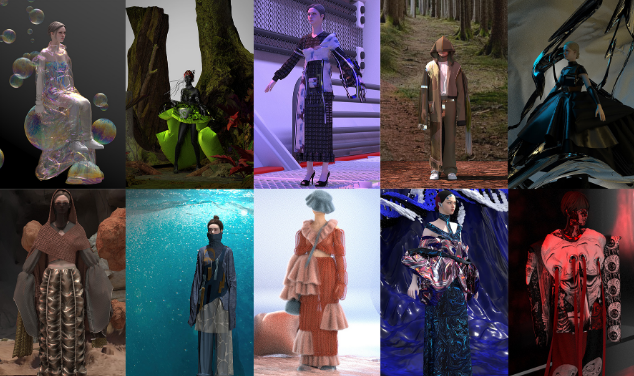
Digital fashion refers to clothing and accessories created and experienced digitally, often through 3D design software, virtual platforms, and augmented or virtual reality. These garments exist in digital form and can be worn by avatars in the metaverse, showcased online, or visualized through AR in real life.
In essence, digital fashion allows people to own, display, and experience fashion without physical production. It blends artistry, innovation, and sustainability, offering infinite creative possibilities.
Examples include:
- Virtual outfits for social media or gaming avatars
- AR filters allowing users to “wear” digital clothing in photos
- 3D fashion design tools for prototyping and digital tailoring
- NFT-based clothing that can be owned or traded in the digital world
The Rise of Digital Fashion
The digital fashion revolution gained momentum during the COVID-19 pandemic, when physical fashion shows and stores were restricted. Designers turned to technology to keep creativity alive.
Platforms like The Fabricant, DressX, and Replicant began offering purely digital garments, and major brands such as Gucci, Balenciaga, and Dolce & Gabbana entered the metaverse with virtual collections.
This shift showed that fashion doesn’t have to be tangible to be valuable. Consumers began purchasing digital outfits to express themselves online, a sign that personal style had entered a whole new dimension.
Technology and Creativity: A Perfect Blend
At its core, digital fashion thrives at the intersection of technology and creativity.
Designers now use advanced tools such as:
- CLO3D and Marvelous Designer for realistic garment simulation
- Blender and ZBrush for digital sculpting and textures
- AR/VR for immersive fashion experiences
These tools empower designers to experiment without limitations, no fabric waste, no physical samples, and no production delays. Every design can be perfected in a virtual studio, turning imagination into visual art within hours
Sustainability and Digital Fashion
One of the greatest benefits of digital fashion is sustainability. The traditional fashion industry is one of the world’s largest polluters, responsible for enormous waste, water use, and carbon emissions.
Digital fashion offers a cleaner alternative:
- No fabric waste during production
- No shipping or logistics emissions
- Reduced need for physical samples in design processes
- Virtual fashion shows instead of high-cost, wasteful events
Brands are also using digital garments for marketing campaigns instead of physical samples, reducing costs and waste while keeping creativity high.
The Metaverse and Virtual Identity
As we spend more time online, our digital identities become extensions of ourselves. The metaverse, a shared digital space combining AR, VR, and the internet, is becoming a new fashion frontier.
Here, clothing is no longer limited by fabric or gravity. People can wear floating gowns, metallic skins, or animated accessories that would be impossible in real life.
Owning a digital wardrobe in the metaverse is now as desirable as owning a luxury handbag. Brands are even selling limited-edition NFTs (Non-Fungible Tokens) representing unique digital fashion items, turning fashion into a form of digital art and investment.
Digital Fashion in Marketing and Social Media
Digital fashion is also revolutionizing brand marketing. Influencers and celebrities are wearing digital outfits in social media posts, garments that don’t physically exist but look completely real thanks to advanced rendering.
This concept reduces the need for multiple outfits during photoshoots and allows endless creativity in styling. It’s cost-effective, eco-friendly, and futuristic, everything modern audiences love.
Brands that adopt digital fashion early are gaining attention for being innovative, tech-savvy, and environmentally responsible.
Challenges of Digital Fashion
Despite its promise, digital fashion faces challenges:
- Limited consumer understanding, many still prefer physical products.
- Technical barriers designed in 3D require specialized skills.
- High equipment and software costs for realistic rendering.
- Ownership issues, especially with NFT-based digital garments.
However, as technology advances and becomes more accessible, these challenges will fade. The industry is evolving fast, and soon, digital fashion will be as common as online shopping
The Future of Fashion Is Digital
Digital fashion is not replacing physical clothing; it’s expanding fashion’s possibilities. The future will combine both worlds: hybrid wardrobes where digital designs inspire physical garments and vice versa.
Imagine buying a designer dress that comes with a digital twin for your avatar or trying on clothes virtually before they’re made. That future is already here,e and it’s changing how we see style, identity, and creativity.
Digital fashion celebrates individuality while promoting sustainability, inclusivity, and innovation. It’s a space where art meets technology and imagination knows no limits.
Conclusion
“Digital Fashion: Merging Technology with Creative Style” perfectly captures this moment in history where creativity meets code.
In a world driven by pixels and possibilities, style has become infinite, not confined to fabric, but alive in digital form. The runway of the future is virtual, and every click is a step toward sustainable, boundless beauty.
FAQs About Digital Fashion
1. What exactly is digital fashion?
Digital fashion is clothing created using computer technology, existing in virtual spaces instead of physical form. It can be worn by avatars, in games, or through AR filters.
2. How does digital fashion help the environment?
It reduces waste, eliminates fabric use, and minimizes carbon emissions by replacing physical samples and production with virtual designs.
3. Can I wear digital clothing in real life?
Yes, through augmented reality (AR), you can overlay digital outfits on photos or videos to showcase them online.
4. Is digital fashion expensive?
Prices vary; digital garments can be affordable for consumers but can also reach luxury prices as NFT collectibles.
5. What is the future of digital fashion?
The future lies in hybrid fashion, where digital and physical clothing coexist. Expect more AR shopping, virtual try-ons, and metaverse fashion experiences.